



Dreams are one of the most mysterious and intriguing phenomena of the human mind. They immerse us in a world where the boundaries of reality blur, time loses its linearity, and logic sometimes breaks down. For millennia, people have tried to understand the nature of dreams and assign meaning to them—from ancient prophecies and mystical messages to modern psychological theories.
What are dreams?

Sleep is a natural state of the mind in which the brain processes emotions, memories, and experiences. During the phase of rapid eye movement (REM), the brain is almost as active as it is when awake, and this is when dreams are most vivid and memorable. Although we still do not fully understand their mechanism, scientists agree that dreams play a key role in emotional regulation, creativity, and even memory.
Why do we dream?
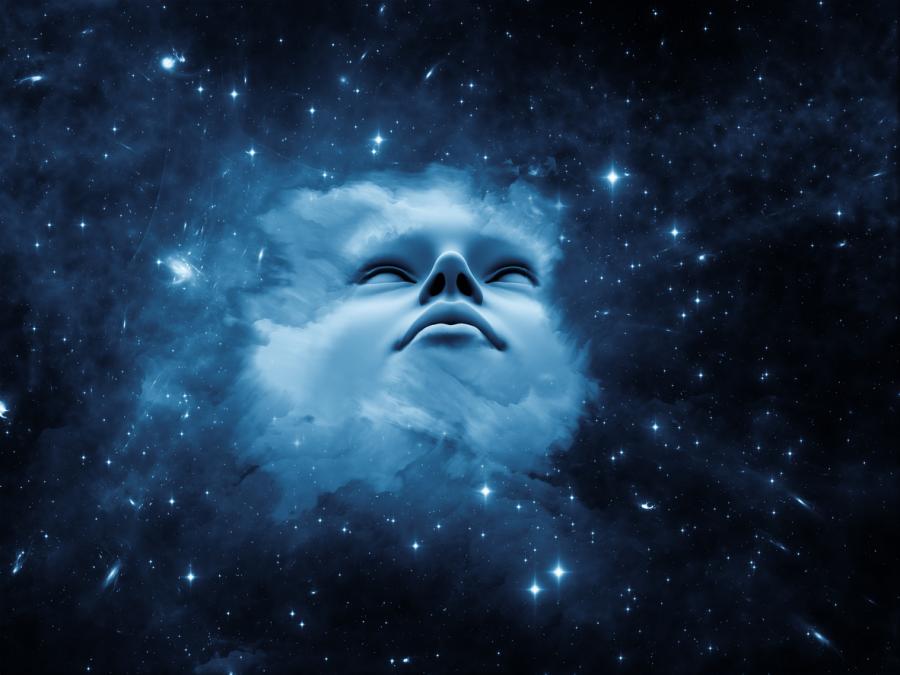
The reasons why we dream are multifaceted:
1.Psychological processing: Dreams help the brain process emotions, stress, and experiences from the day. They are a way of subconsciously “resolving” conflicts and preparing for future situations.
2.Creativity and inspiration: Many artists, writers, and scientists have drawn ideas from their dreams. For example, the chemist Kekulé discovered the structure of the benzene ring after dreaming of a snake biting its own tail.
3.Psychotherapeutic function: Freud and Jung viewed dreams as the “royal road to the unconscious,” where symbols and metaphors reveal deep psychological processes and unconscious desires.
Symbolism and Meanings

Dreams often contain symbols that may have personal or universal meaning. For example, water can symbolize emotions, while flying may represent freedom or escape from limitations. Jung called these symbols “archetypes”—universal images that appear across different cultures and eras. Interpreting symbols is not an exact science—it is important to take into account the personal context, emotions, and current events in the dreamer’s life.
Lucid dreams – when consciousness awakens within the dream
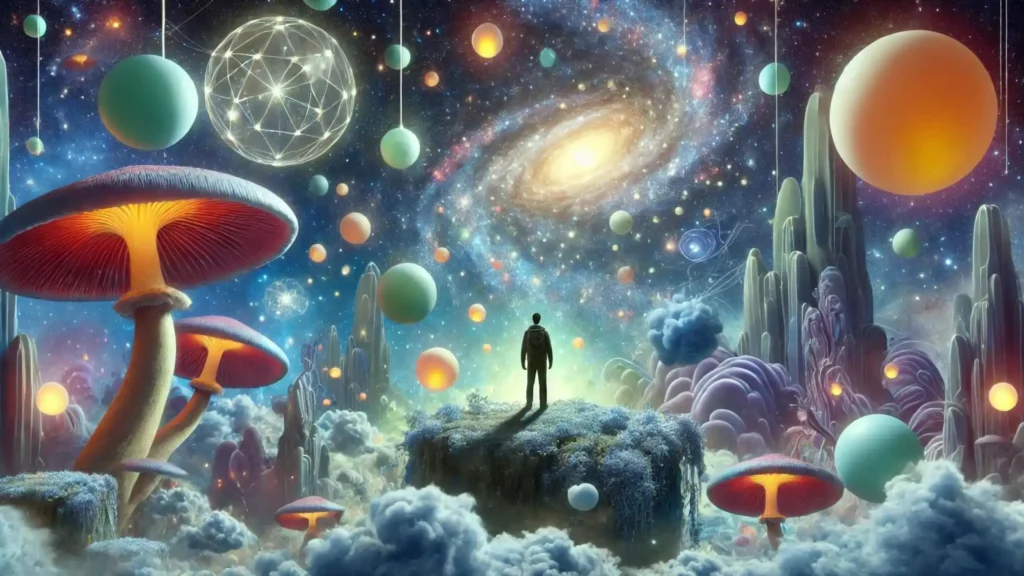
Lucid dreams are a special form of dreaming in which a person becomes aware that they are dreaming and can often control the events within the dream. They are used for creative experimentation, problem-solving, and even therapeutic practices such as overcoming nightmares. The technique requires patience, practice, and awareness of daily habits, but the result is the ability to “swim” in the subconscious with conscious control.
Dreams as a Mirror of the Soul

Ultimately, dreams are a reflection of our inner world—of fears, hopes, conflicts, and desires. They show us what we often overlook in everyday life and invite us to meet ourselves in a new, unfamiliar way. Some dreams can feel like messages, while others resemble mysterious puzzles that the mind assembles for its own amusement.
Dreams are not just random images and scenes; they are a gateway to the subconscious—a place where time, space, and possibilities dissolve. Within them, we can lose ourselves, find ourselves, and even create new versions of who we are.
Maxalo APP
Maxalo е мобилно приложение специално създадено за всеки, който се занимава с радиестезия – от начинаещи до напреднали.
Магазин за радиестезия
Представяме ви специалната ни селекция от квантови продукти и радиестезични инструменти, разработени от Вълко Чобанов.
Maxalo обучения
Платформа за онлайн курсове и сертифицирани обучения по радиестезия подходящи както за начинаещи, така и за напреднали радиестезисти.