



The topic of emotional traumas and behavioral patterns is central to modern psychology. Canadian researcher Lise Bourbeau describes five fundamental psychological wounds that a person can develop in early childhood. These traumas create specific protective masks and influence our choices, relationships, reactions, and self-perception.
Although the concept is popular in esoteric contexts, it can also be viewed from a purely psychological perspective: as adaptive patterns formed in response to early emotional deficits.

In this article, we will explore each of the five traumas from a more objective and psychological perspective: how they are formed, what behavioral strategies they create, and what is truly needed for integration and therapeutic healing to begin.
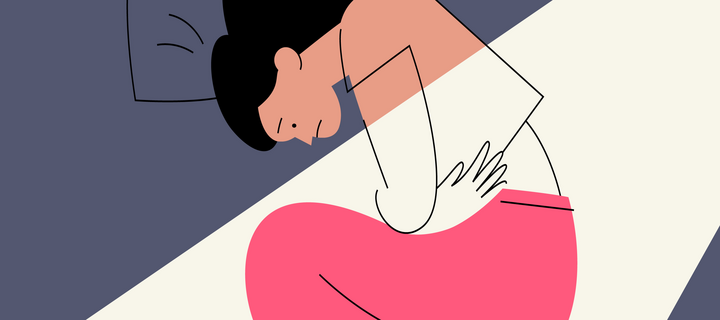
1. The Trauma of Rejection
Core experience: “I am not wanted,” “There is no place for me.”
Typical mask: The Escapist.
How it forms
Rejection is the most primal of all wounds. It most often appears in the earliest years of life, sometimes even within the first months. The child interprets a parent’s behavior as a lack of acceptance—absence of attention, excessive emotional coldness, lack of contact, or gestures that subconsciously communicate: “There is no place for you.”
From a psychological perspective, rejection is linked to insecure or avoidant attachment. When a child does not feel that their existence is welcome, they develop a strategy of minimizing their presence.
How it manifests in life
– High sensitivity to criticism and disapproval
– Difficulty asserting one’s position
– A tendency to avoid conflict, even at a high personal cost
– Idealizing others while devaluing oneself
– At times: dissolving into relationships, dependencies, and difficulty saying “no”
The Escapist subconsciously strives to become invisible whenever there is a perceived risk of rejection.
Path to Integration
The therapeutic core is the development of an inner sense of place and the right to exist.
The work includes:
– stabilizing self-esteem
– learning healthy boundaries
– training to remain present in conflict situations
– work with the inner child, related to contact and closeness
2. Abandonment Trauma
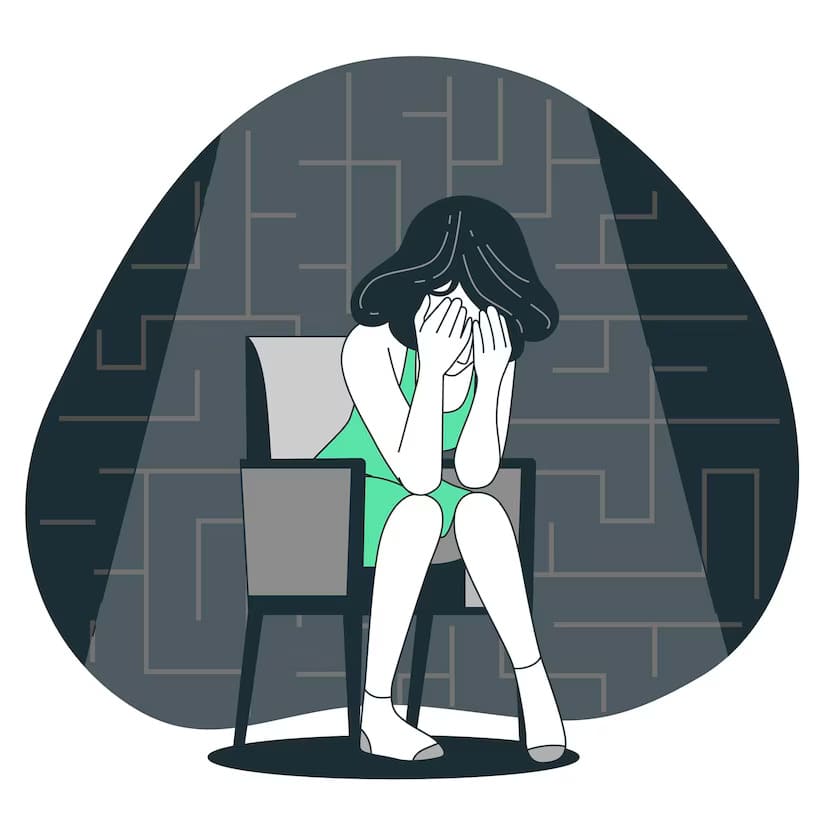
Core experience: “I am alone,” “there is no one I can rely on.”
Typical mask: Dependent.
How it develops
Abandonment arises when a child experiences a lack of emotional and physical stability: an inconsistent parent, absences, unpredictable behavior, or a parent’s difficulty responding to emotional needs.
This leads to the development of inner anxiety that relationships are impermanent and that love can always be taken away.
How it manifests in life
– Strong need for a partner, support, attention
– Fear of being alone
– Intolerance of distance
– The trap: “I give a lot so I won’t be abandoned”
– Emotional highs and lows when closeness is not stable
The dependent person clings to relationships because their inner belief is that they cannot survive on their own.
Path to Integration
– developing emotional autonomy
– learning to be alone without panic
– building a stable sense of self-worth
– therapeutic work with boundaries and mature dependency (being able to ask without falling apart)
3. Humiliation Trauma
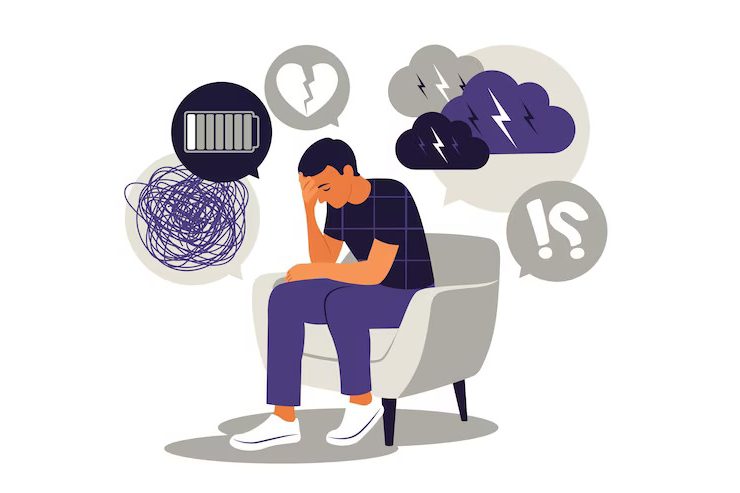
Core experience: “I am not good enough,” “something is wrong with me.”
Typical mask: Masochist.
How it develops
The wound of humiliation comes from experiences in which the child feels shamed for their needs, emotions, or desires. This may result from mockery, excessive control, shaming, or punishment for “bad behavior.”
As a result, the belief forms that in order to be accepted, one must be “easy,” not be a burden, and care for others more than for oneself.
How it manifests in life
– Tendency toward self-sacrifice
– Excessive empathy while one’s own needs are ignored
– Shame around setting boundaries
– Feelings of guilt when receiving care or attention
– Carrying burdens that are not one’s own
The masochist believes they deserve less and gives more in order to avoid humiliation.
Path to Integration
– learning self-respect
– breaking the pattern “others first, me last”
– therapy to work with shame and guilt
– training assertiveness
4. Betrayal Trauma
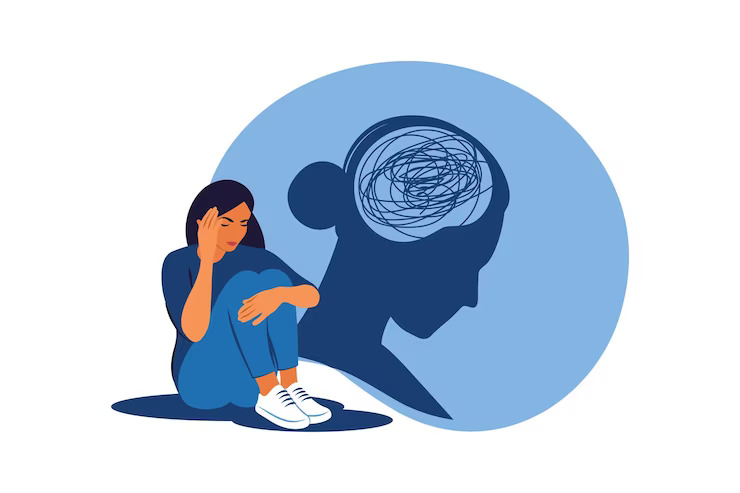
Core experience: “I can’t trust,” “if I let go, I will be deceived.”
Typical mask: Controlling.
How it develops
Betrayal is the result of broken trust: unfulfilled promises, inconsistent responses, double standards, or situations in which a parent says one thing but does another.
The child learns to believe that the only way to feel safe is to control.
How it manifests in life
– strong need for predictability
– jealousy, suspiciousness
– difficulty delegating or relaxing
– constant monitoring of others’ actions
– fear of vulnerability
The controlling person builds a “tower of control” because otherwise they feel threatened.
Path to Integration
– working with trust and accepting uncertainty
– therapy aimed at releasing exaggerated control
– practicing vulnerability in small steps
– cultivating flexibility and tolerance for mistakes—one’s own and others’
5. Injustice Trauma
Core experience: “Nothing is fair,” “I must be perfect in order to be recognized.”
Typical mask: Rigid / Perfectionist.
How it develops
Injustice trauma arises when a child grows up under very high standards, criticism, or constant comparisons. The parent is often emotionally distant and places value on achievement, discipline, and control.
As a result, the child’s psyche forms the belief that the world is harsh and that one must be perfect in order to be accepted.
How it manifests in life
– perfectionism, black-and-white thinking
– difficulty expressing emotions
– inner rigidity, self-criticism
– strong reactivity to unfairness or inconsistencies
– a sense of inner tension and constant self-proving
The rigid person believes that only by being flawless can they avoid injustice.

Path to Integration
– learning emotional flexibility
– accepting mistakes as part of the process
– softening the inner critic
– body-based work and releasing control through somatic practices
How to recognize which trauma is dominant

Most people carry more than one trauma, but one of them is dominant.
You can observe:
– how you react in conflict
– which situations trigger you most strongly
– which people hurt you the most
– what type of partners you choose
– what recurring patterns appear
Wounds are activated especially strongly in close relationships, because that is where our deepest beliefs are reflected.
Integration: What Actually Heals Trauma
Healing these wounds does not happen through positive thinking or “denying the past.” What is needed is:
– awareness of automatic reactions
– working with the body, because trauma lives somatically
– forming a new kind of relationship with the inner child
– correcting core beliefs
– a therapeutic environment where new behavioral patterns can be practiced
Healing is a process: a movement from survival to authenticity.
Conclusion
Lise Bourbeau’s model is a useful map, but not a final diagnosis. It gives us a language through which we can recognize our inner wounds and see how early experiences shape our defense mechanisms.
The more clearly we understand our traumas, the freer we become to respond differently, to create healthier relationships, and to write a new psychological story for ourselves.
Maxalo APP
Maxalo е мобилно приложение специално създадено за всеки, който се занимава с радиестезия – от начинаещи до напреднали.
Магазин за радиестезия
Представяме ви специалната ни селекция от квантови продукти и радиестезични инструменти, разработени от Вълко Чобанов.
Maxalo обучения
Платформа за онлайн курсове и сертифицирани обучения по радиестезия подходящи както за начинаещи, така и за напреднали радиестезисти.